There's a moment right before a room full of photographers realizes they're about to be photographed. It's a little nervous, a little curious, and a lot of people glancing at the exit.
On Saturday, October 10, 2026, Sony and Glazer's Camera brought us in as Sony Allies to lead the Portrait and Studio education at the Sony Alpha Collab at The Collective Seattle. It was a full day of education across wildlife, sports, and portrait photography, with Sony's latest Alpha cameras and lenses in everyone's hands.
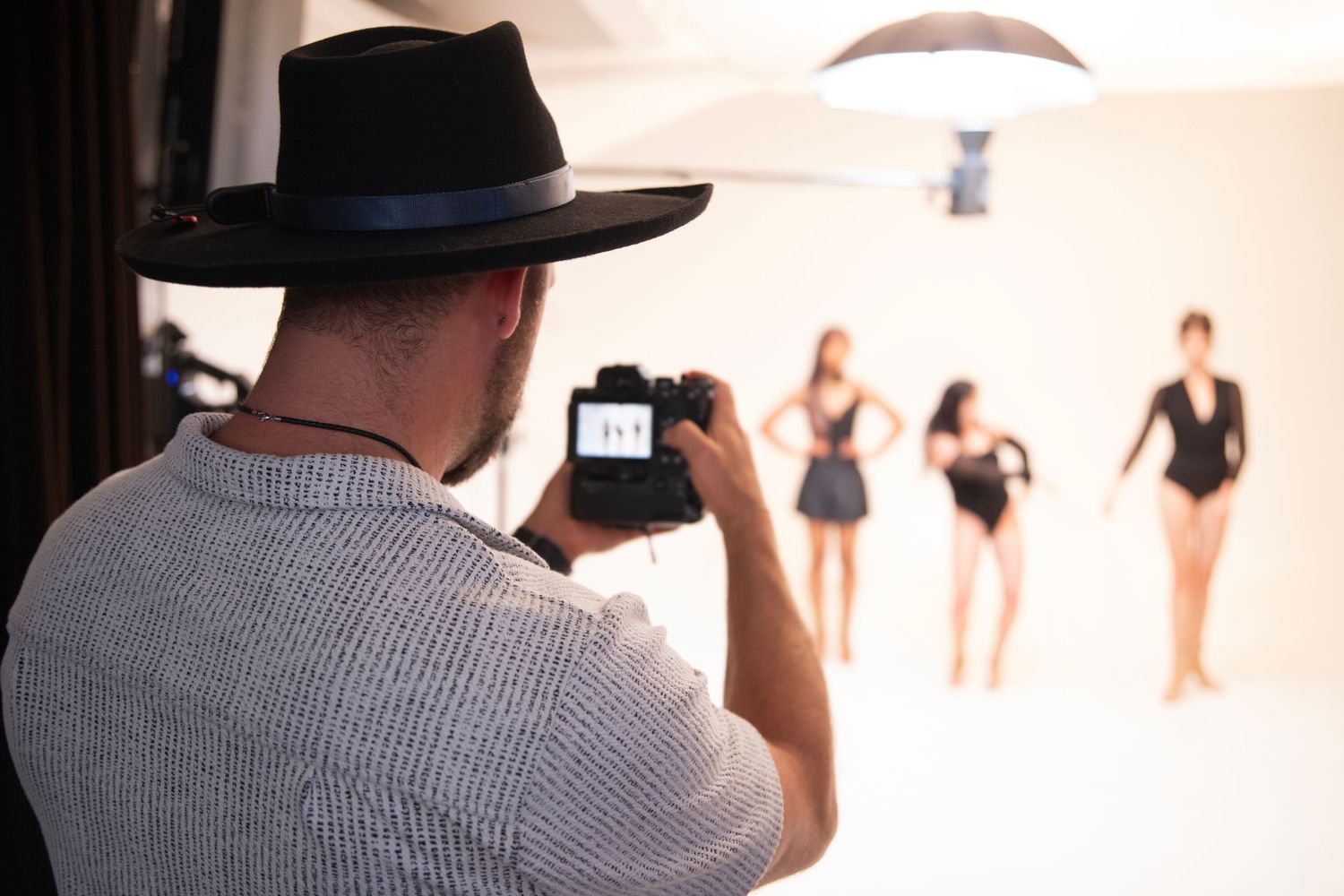
For our part, we built a hands-on creative portrait lab for 65 photographers: three lighting bays, no hired models, and everyone in the room taking turns as photographer, subject and assistant.

Why This Partnership Means So Much to Us
Glazer's Camera has been a cornerstone of the Seattle photography community for decades. It's where so many of us bought our first real lens, took our first class and met the people who pushed our work forward. Our own roots run straight through that community. Being trusted by Glazer's and Sony to teach on their stage is a full circle moment for us.
Lori and Drew from Glazer's built the day from the ground up and made sure every presenter had what they needed. Dan and Sarah from Sony kept a full table of Alpha bodies and G Master glass moving all day, so attendees could pick up a camera they'd been curious about and actually use it in a real studio setup. That combination made the day work: education from working photographers, with the gear right there to try.
Why We Had Photographers Step Into the Frame
Ashley opened our session by naming what everyone had already noticed: there were no models. That was on purpose.
As photographers, we ask people to be vulnerable all the time. Relax. Turn. Move your chin. Look natural while a giant lens points at you. If we never stand on the other side of that camera, it's hard to understand what we're asking. Being photographed teaches you what good direction feels like, what awkwardness feels like, and what it's like to have no idea what to do with your hands.
Then there's the shoemaker problem. Photographers make images for everyone else and somehow have none of themselves. So the invitation was simple: get a portrait. Get something for your business, your Instagram, or just for you.
Make yourself some shoes.
A moment we won't forget
Later in the day, one photographer told us she almost left when she heard the workshop meant stepping in front of the lens. She'd never done anything like it and was anxious about it.
Once she got into it, she had fun, learned a lot and made some friends. She told us she was glad she stayed.
That's the whole reason we built the day this way.
What We Built: Three Portrait Bays
We walked away from Glazer's Anniversary Sale inspired after hearing Lindsay Adler and Jonny Edwards teach. Hearing it is one thing. Putting it into practice is another. So we built three sets that let people move a light, change a color, make a mistake and see the result right away.
Bay One: Bi-Color Creative Portrait
Inspired by Jonny Edwards and his Glazer's Anniversary Sale class, A Compelling Portrait: Exploration of Light and Lens. The idea we loved was that a portrait doesn't have to stay inside the backdrop.
We used a layered setup of three to five white and bi-color continuous lights against an espresso backdrop: a soft key, controlled fill, separation from behind, and light pulling the bookshelves and furniture into the frame. The goal wasn't flat light. It was shape, highlight, shadow and dimension.
The challenge was to chase three images: one clean portrait, one off-angle portrait, and one frame that felt nothing like how you'd normally photograph somebody. Go low, go high, crop strangely, frame through the shelves.
Give it a little Willem Dafoe energy.

Bay Two: Creative RGB Color Portrait
This was our Lindsay Adler bay. What stuck with us from her color theory class was that color should have a reason.
Four RGB tubes surrounded the subject, starting from a set palette. Photographers tried complementary colors, then analogous ones, warm, then cool. We even encouraged them to make something that felt wrong, just to understand why it didn't work. The tubes didn't have to hide, either. Moving the subject forward or back showed how much the color on their face could change with a single step.
Even when the color got wild, the person still had to feel visible and connected.
Color is not just decoration. Color communicates.

Bay Three: Spooky Season Portrait
This one is purely Eighth Square. We love Halloween. A road trip to Salem a couple of years ago gave us our favorite seasonal concept, the pumpkin head portrait, so we carved four pumpkin heads and brought it to the studio. cauldrons full of fog, webs and layered props filled out the scene.
With a pumpkin for a head, you can’t lean on eyes or expression, so the whole story comes from body language: hands, posture, a tilt, a lean, how someone carries themselves. One person beside the cauldron, fog curling around, could create something fun and full of character. Bring a friend in and it turned into a whole scene. A hand on a shoulder, two pumpkins sizing each other up, someone mid-laugh with nobody able to see it. The goal was never to get it right. It was to play, loosen up and see what happened.
Portraiture isn't always about the face.

How the Day Worked
Before anyone touched a shutter, Nicholas walked the room through all three bays with Ashley and two volunteers. He showed how each set was built, why the lights sat where they did, and what people were free to change.
Then everyone split into groups of four to six, and the rules were simple:
- Connect first. Swap Instagram handles or emails so the photos make it back to the people in them. Ask a question before you click. In a room full of photographers, you can always ask about gear.
- Rotate roles. Photographer, talent and assistants traded places every ten minutes. Assistants moved lights, fixed collars and pitched ideas.
- Ask before you touch. "Can I fix your collar?" One small question changes the whole experience.
- Experiment. You don't need 5,000 frames. Make a few intentional ones, then change something.
Lunch didn't stop the studio. Groups kept documenting the frame, and plenty of people stopped by the Sony table between rounds to swap gear with Sony. Someone who started on a zoom tried a prime. Someone who always reaches for a telephoto went wide. Every piece of Sony gear on hand was checked out at some point during the day, which says a lot about how much people wanted to experiment.
What We're Carrying With Us
We set the scenes. You made them yours. We built three bays and then stepped back. Every group walked into the same light, the same chair, the same pumpkins, and walked out with something we never would have imagined.
There is no one right frame. Not one idea was the correct one. Some portraits were quiet, some were wild, some were happy accidents. All of them belonged.
Connection comes first. The most honest portraits came from people who took a moment to learn each other's names before they ever lifted a camera.
Together is the point. Strangers moved lights for each other, fixed collars and traded ideas. By the afternoon, groups felt like crews.
Watching people come together and create was the most beautiful part of the day.
Why We Teach
Teaching reminds us how much we love this craft. When you have to explain a creative choice out loud, you see your own work with fresh eyes. Saturday also confirmed something we've believed since day one: photography isn't a solo sport. Great images get built when people come together.
That belief is why we're opening a studio in Pioneer Square, a home for Seattle photographers to experiment, learn and create connection together. We'll soft launch in January 2027, starting with open studio days built around the same thing that made October 10 work: connection.
What's Next: The Lighting Breakdowns
Over the coming weeks, we'll break down each bay in its own post, with diagrams, light placement and the settings we used:
- Bay One: building a bi-color creative portrait
- Bay Two: RGB color theory for portraits
- Bay Three: lighting and directing a pumpkin head portrait
Want to be there for the next one?
Stay in the Frame
Join our newsletter for the lighting breakdowns and first access to open studio days in Pioneer Square.
Prefer event alerts? Follow us on Eventbrite to hear the moment new workshops go live.
Thank You
To Sony Alpha, for putting the Alpha lineup in everyone's hands. To Glazer's Camera, for building this day and trusting us with the portrait program. To our fellow wildlife and sports presenters, the grips who kept every light standing, The Collective Seattle, and all 65 of you who stepped into the frame: thank you.
This is the kind of day we want to keep building in Seattle, and we can't wait to do it again.
Attendees, check your socials for the shared image folder, and tag @eighthsquarestudio when you post. We want to see what you made.
Additional collab details Sony, Glazer's Camera and eventbrite
Frequently Asked Questions
What was the Sony Alpha Collab?
The Sony Alpha Collab was a one-day photography education event presented by Sony and Glazer's Camera on October 10, 2026, at The Collective Seattle. It featured sessions on nature and wildlife, sports, and portrait and studio photography, with hands-on access to Sony Alpha cameras and lenses.
Who led the portrait and studio education?
Nicholas and Ashley of Eighth Square Studio, a Seattle photography studio and Sony Ally, led the portrait and studio program. They built a creative portrait lab with three lighting bays: bi-color creative portraiture, RGB color portraiture and a styled spooky-season set.
Why were there no models?
We chose not to bring in models for our sets. Instead, every attendee took turns as photographer, subject and assistant. Stepping in front of the camera shows you what good direction feels like and what it’s like to not know what to do with your hands. That empathy makes you better at caring for the people you photograph.
Does Eighth Square Studio offer photography workshops in Seattle?
Yes. We're opening a studio in Seattle's Pioneer Square with a soft launch in January 2027, starting with open studio days. Join the newsletter or follow us on Eventbrite for upcoming dates.
Who led the portrait and studio education?
Nicholas and Ashley of Eighth Square Studio, a Seattle photography studio and Sony Ally, led the portrait and studio program. They built a creative portrait lab with three lighting bays: bi-color creative portraiture, RGB color portraiture and a styled spooky-season set.
No. At the Sony Alpha Collab, Sony had Alpha cameras and lenses on hand for everyone to try. For our workshops in Pioneer Square, bring whatever camera you have and we’ll provide the lighting, sets and props. The goal is to experiment, not to own the perfect kit.